

Desktop Support
Desktop Support and Endpoint Management Services
Technology works best when users do not have to
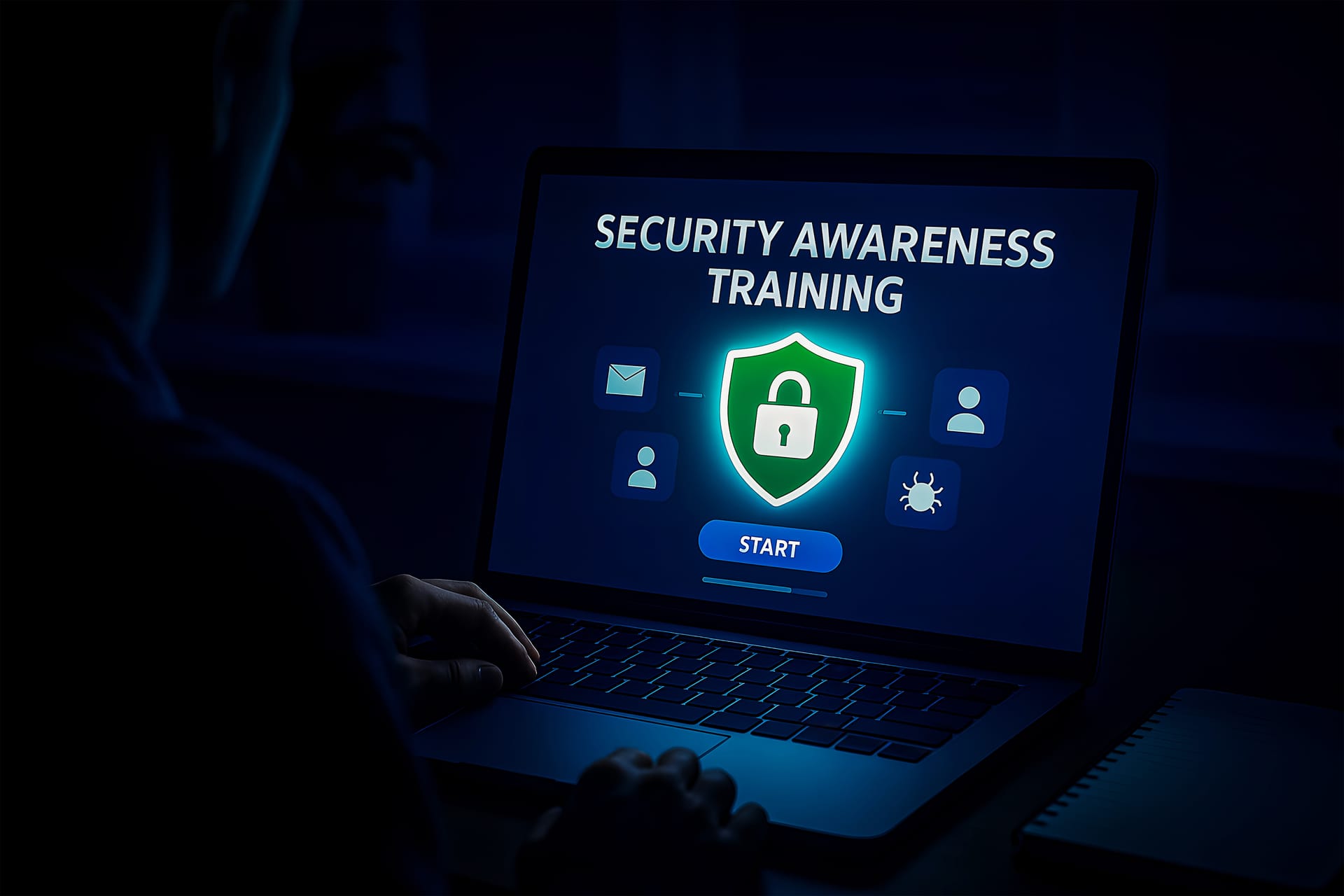
Cybersecurity is not only a technology challenge. It is a human one.
Firewalls, endpoint protection, and monitoring tools play a critical role in defense, but employees interact with systems and data every day. A single click on a convincing phishing email can bypass multiple technical safeguards.
Security awareness training helps organizations reduce this risk by preparing employees to recognize threats and respond appropriately.
MORSECOM provides structured security awareness training programs that strengthen user readiness, support compliance efforts, and help organizations build a stronger culture of cybersecurity.
Most employees are not trying to make security mistakes. They are busy, focused on their responsibilities, and moving quickly through emails and tasks.
Attackers take advantage of that reality.
Modern phishing messages look professional. Fraudulent login pages resemble legitimate services. Social engineering tactics create urgency that pressures users to act quickly.
Training helps employees slow down, recognize warning signs, and make safer decisions in everyday situations.
Effective training is not about blaming users. It is about building confidence and awareness.
When employees understand common threat patterns and know what to do when something feels suspicious, they become an active part of the organization’s defense strategy.
A culture of awareness helps:
Prepared users make safer choices.
Training programs should address real-world risks employees encounter daily.
Employees learn how to identify suspicious emails, unexpected attachments, misleading links, and impersonation attempts. Training covers common tactics used to trick users into revealing sensitive information.
Proper handling of confidential data, secure file sharing, password hygiene, and responsible use of business systems help reduce accidental exposure.
Employees are often the first to notice unusual activity. Training ensures they know how and when to report potential threats so response teams can act quickly.
With employees working from multiple locations, training includes best practices for securing home networks, mobile devices, and cloud-based tools.
Cyber threats evolve constantly. Annual training alone is not enough.
Ongoing awareness programs reinforce good habits, introduce new threat patterns, and keep security top of mind. Regular refreshers help ensure lessons remain relevant and actionable.
Short, consistent training sessions are often more effective than infrequent, lengthy programs.
Many industries require documented security awareness training as part of regulatory compliance and risk management programs.
Structured training supports:
Prepared employees help organizations meet operational and regulatory standards.
Training should reflect how employees actually work.
Programs that focus on realistic scenarios, practical examples, and clear guidance are more likely to influence behavior. When training aligns with daily workflows, employees can apply what they learn immediately.
Security awareness is important for organizations of all sizes and locations.
MORSECOM supports businesses throughout Florida and delivers training programs for distributed and multi-location organizations nationwide. Whether teams work onsite, remotely, or in hybrid environments, awareness remains essential.
Not every organization begins with the same level of maturity.
Some need foundational awareness training. Others require more advanced programs aligned with evolving threat landscapes. The right approach depends on industry requirements, operational complexity, and risk exposure.
MORSECOM helps organizations implement training programs that support long-term security improvement.
Employees interact with systems and data daily. Training helps them recognize threats, avoid risky behavior, and respond appropriately to suspicious activity.
Yes. Technical tools reduce risk, but human actions still play a major role in security outcomes. Training helps close that gap.
Programs often cover phishing recognition, safe data handling, password best practices, incident reporting, and secure remote work habits.
Ongoing training is recommended. Regular refreshers help reinforce good habits and address evolving threats.
Yes. Many regulations and cyber insurance policies require documented security awareness programs.
Yes. Training includes guidance for securing home networks, mobile devices, and cloud-based tools.
Yes. MORSECOM supports clients throughout Florida and provides training services for organizations nationwide.
If your organization is looking to reduce phishing risk, improve employee readiness, and strengthen overall cybersecurity, MORSECOM can help.
Our security awareness training programs help build a more informed and resilient workforce.
Subscribe to my newsletter to get the latest updates and news